
Citizens-Daily-Brief

Two Dollars a Day to Brief a Nation
I’m going to tell you what the Citizen’s Daily Brief costs to run, because the number is small enough to be surprising and because the surprising part isn’t the number. It’s what the number does and doesn’t tell you about how hard the thing was to build.
Read More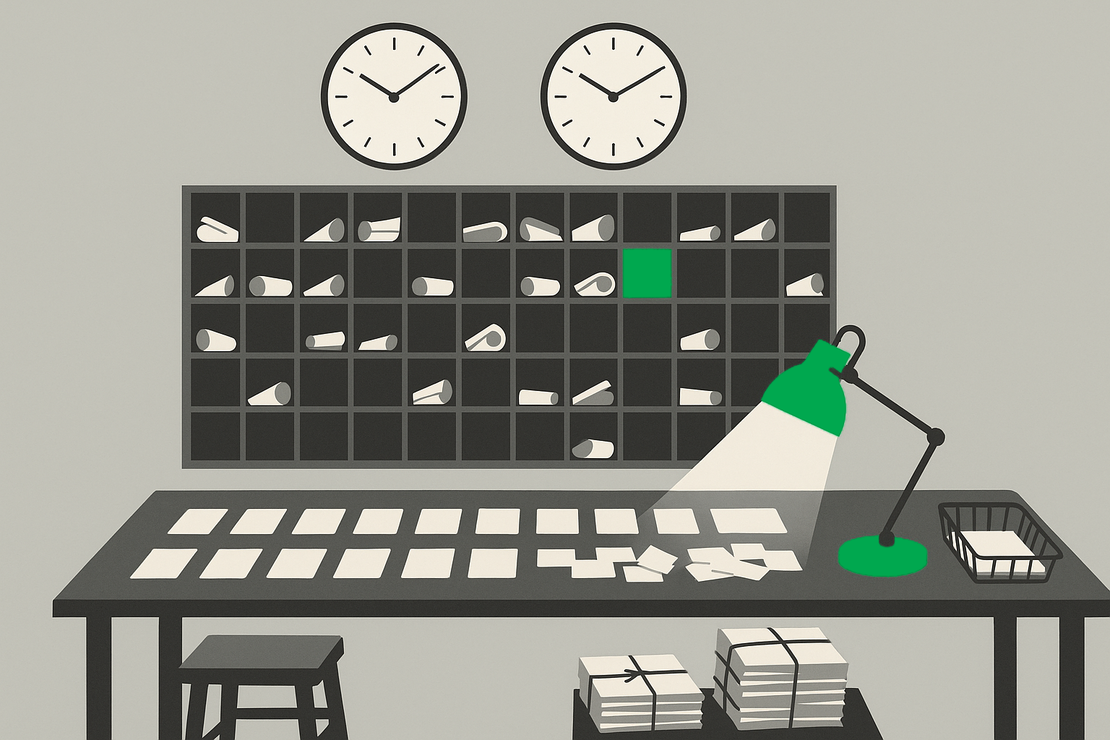
The Order of Discovery
Open any item in the Citizen’s Daily Brief and there’s a short chronology hanging off a thin vertical rule directly under the opening paragraph. Usually three or four entries. Grey dates in sans-serif, descriptions in the same Georgia as the body text, no dots, no icons, no color. Nothing to click. It’s just there, the way a footnote is there.
Read More
No Login Required
Open the Citizen’s Daily Brief on the web and look for the login button. There isn’t one. No “sign up free” banner, no account wall, no email box that slides up after thirty seconds to learn who you are before it’ll let you read. You land on today’s brief and you read it.
Read More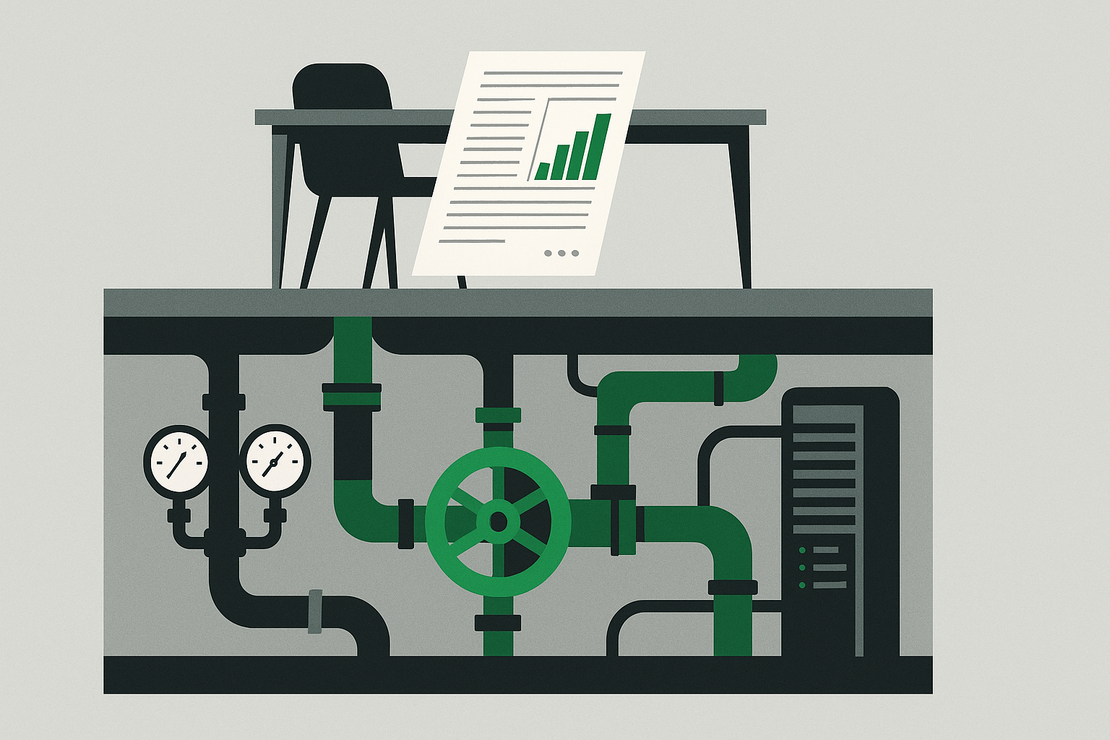
When the LLM Isn't the Product
One morning in late June, the pipeline that builds the Citizen’s Daily Brief generated an item calling the mayor of New York City “Zoe Mamdani.” A few words later it called him “herself,” with the same easy confidence it brings to everything.
Read More
Guardrails, Not Gatekeepers
The Citizen’s Daily Brief has no human editor. No one reviews the assessments before publication. No one approves the significance rankings. No one checks whether the confidence levels feel right. The pipeline runs, the brief publishes, and readers see the output of an entirely automated system.
Read More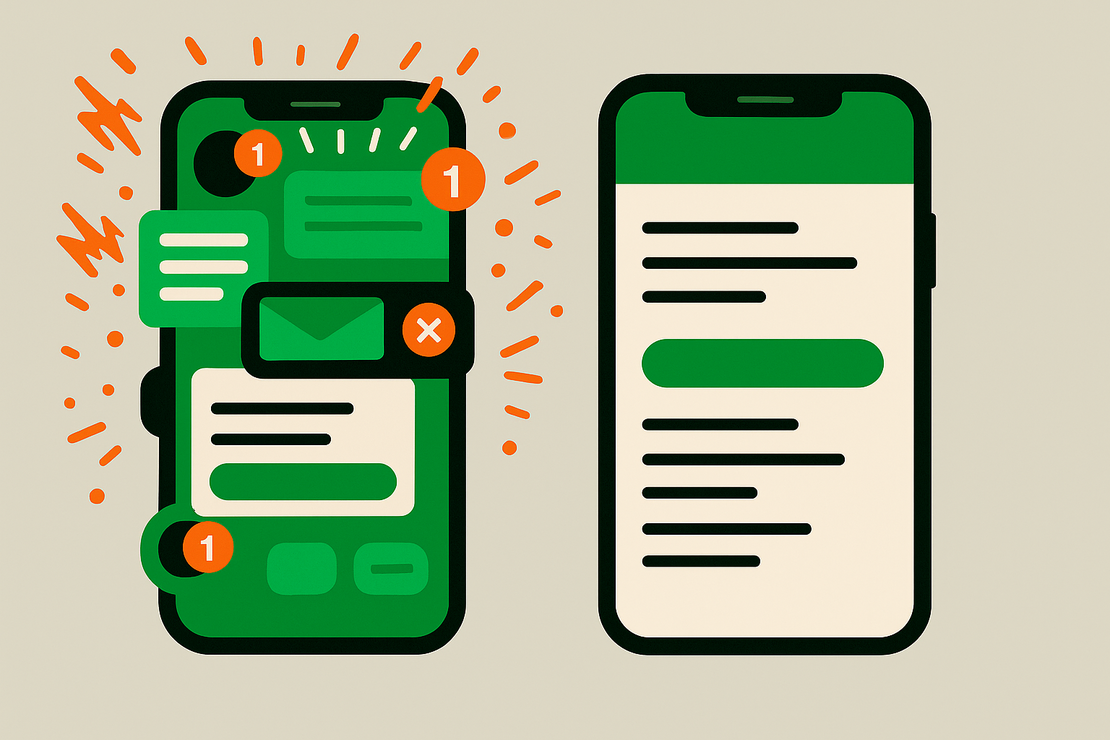
Deliberately Boring by Design
Every app I’ve built at Stalefish Labs has personality, and the underlying purpose of each has usually tilted toward fun. Ridewise transforms weather data into trail conditions to get you outside riding with friends. Muster in many ways acts as a session-based Instagram for helping people get together and share experiences. Even a smaller web experiment like the Jump Simulator, which is fundamentally a physics calculator, has ghost trails and animated motorcycles flying through the air. It’s kind of a modern Fuji Hakayito that hopefully doesn’t lead to epic jump fails in real life. What I’m saying is I like making things that are fun to use.
Read More
Three Products, One Pipeline
The Citizen’s Daily Brief ships three products: a daily briefing, a weekly assessment, and an occasional fictional intelligence dossier. They share the same data, the same Supabase backend, and the same editorial philosophy. They’re also three genuinely different things — different artifacts, different schedules, and in one case a different idea of what “production” even means.
Read More
Thirty-Four Feeds and a Philosophy
The Citizen’s Daily Brief ingests news from thirty-four RSS feeds. That number started at twenty-seven, and grew incrementally during testing. It grew because the original list had a gap that would have undermined credibility: it didn’t include enough sources from across the political spectrum to claim it was seeing the full picture. The CDB isn’t a political product — it’s apolitical by design, and keeping it that way meant expanding the source feeds.
Read More
Building an Automated Analyst
The Citizen’s Daily Brief is a daily brief for the people, modeled after a similar intelligence brief that has been delivered to the U.S. President since 1946. Like the PDB, the CDB isn’t a news aggregator. It doesn’t summarize articles. It doesn’t curate links. It produces assessments — structured analytical judgments about what happened in the world, what it means, how confident we are, and what to watch next. That distinction sounds like marketing copy, but it’s actually the architectural decision that shaped every line of code in the CDB pipeline. And it’s a specific decision given that this project deliberately leans into the strengths of AI.
Read More
Who Briefs the Public?
I need to start with an honest admission: I thought this project was too ambitious. I assumed I was being naive and borderline arrogant to even consider it. There, I said it.
Read More